Daniel's world asked him to keep his convictions quiet in exchange for comfort, favor, and a seat at the table—and he refused. American Christians today face a softer but still real version of that same pressure: a culture that increasingly rewards silence and punishes conviction, especially when faith intersects with public life.
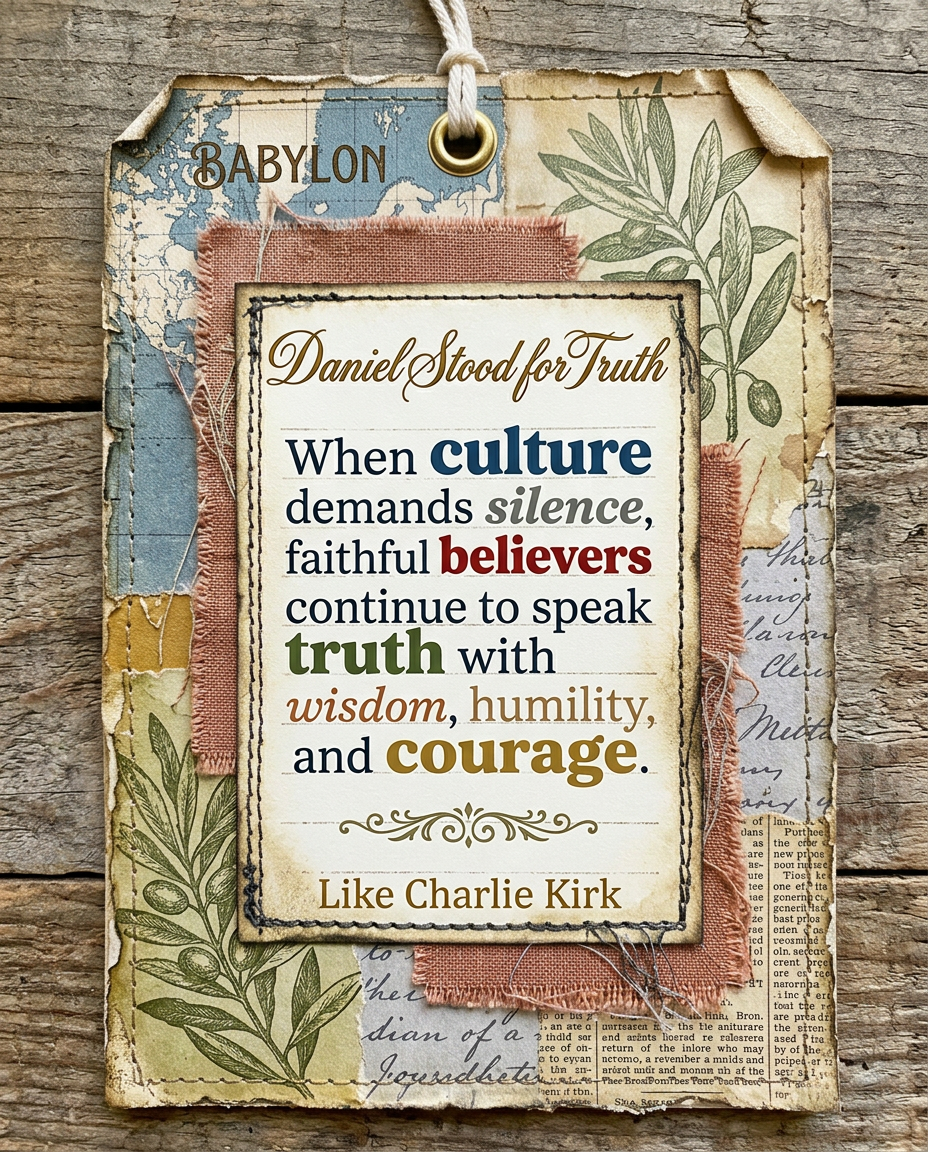 The assination of Charlie Kirk while publicly expressing his convictions is a sobering reminder that standing for what you believe can carry a cost.
Daniel's example isn't about defiance for its own sake. It's about steady, respectful faithfulness in a system that isn't built around your beliefs—a posture believers are still called to embrace today.
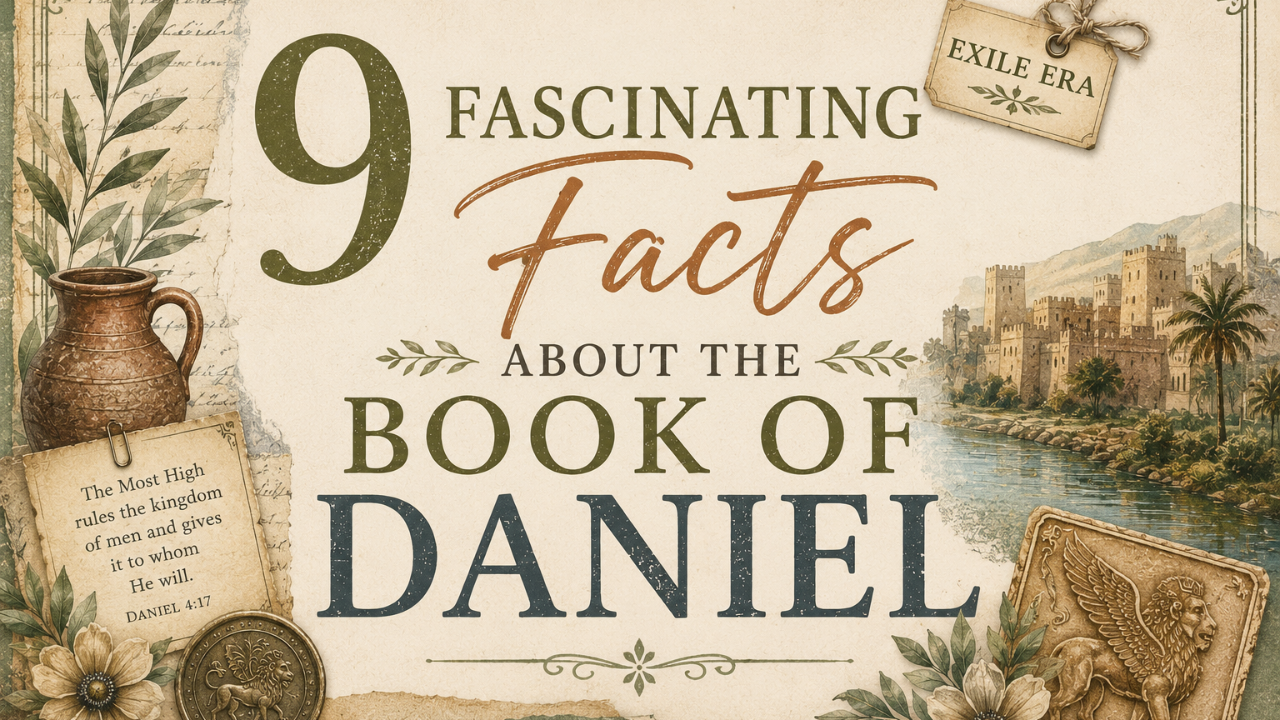
There's a reason Bible teachers return to the Book of Daniel again and again. It sits at a hinge point in Scripture — the place where the story shifts from the fall of a nation to the rise of empires that would shape the world for centuries. Before we ever get to Daniel refusing the king's food or three young men walking unharmed through fire, the setup of this book is its own kind of remarkable. Here are some of the most fascinating facts about Daniel worth knowing before you ever open to chapter one.
It Sits at a Turning Point in History
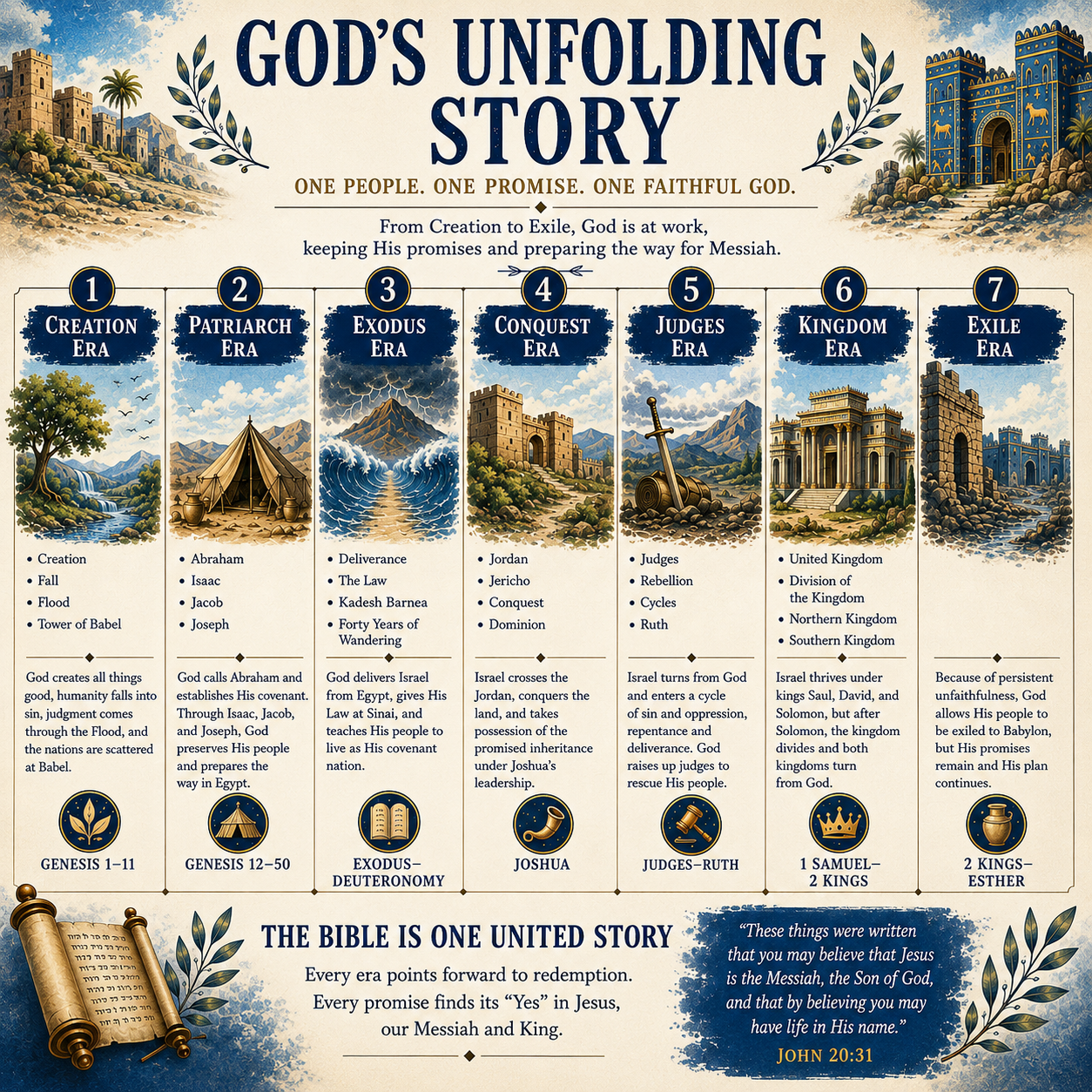
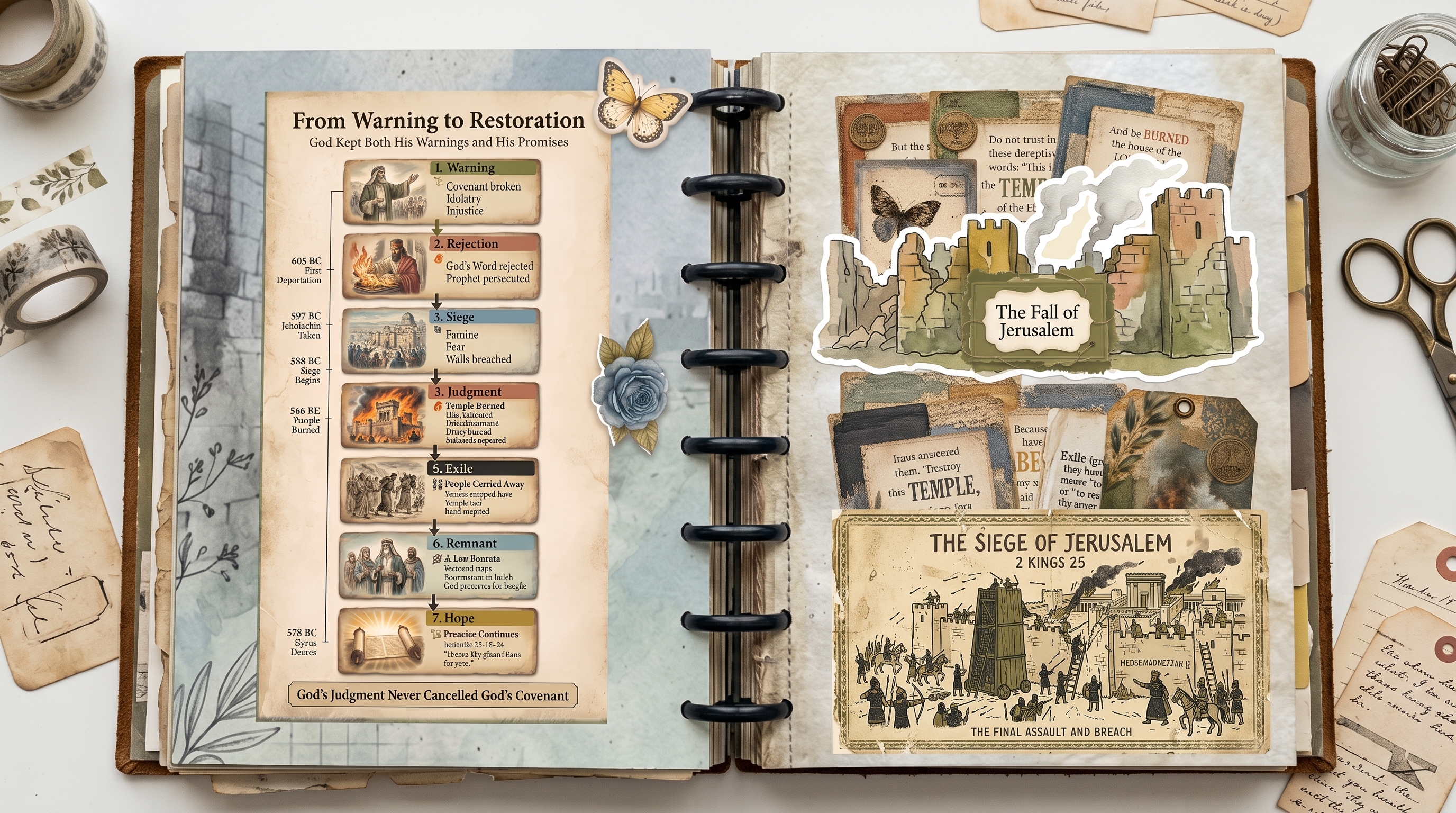
Daniel doesn't open in the familiar territory of Genesis, the Exodus, or the united monarchy. By the time Daniel begins, the kingdom has already collapsed. Israel is on the threshold of the Babylonian exile — the beginning of a long season often called "the times of the Gentiles." That phrase matters: Scripture usually tells history through Israel's eyes. Daniel is one of only a couple of places where the lens turns and we watch world history unfold from the perspective of the nations instead.
The Book Literally Changes Languages Mid-Stream
One of the strangest and most telling details about Daniel is that it isn't written entirely in Hebrew. A significant middle portion shifts into Aramaic, the international language of that era. This isn't a copying quirk — it lines up precisely with the sections of the book dealing with Gentile world history and Gentile rulers. The language itself signals the shift in focus, and it's one of those quiet design touches that rewards close reading.
Its Structure Comes in Two Neat Halves
Daniel divides cleanly into two sections of six chapters each:
- Chapters 1–6 are historical narrative — the stories most people know: the diet test, the fiery furnace, the writing on the wall, the lion's den.
- Chapters 7–12 are visions — prophetic material that isn't always presented in strict chronological order, but which, once you know the timeline, fits together with remarkable precision.
One of the Most Authenticated Books in Scripture
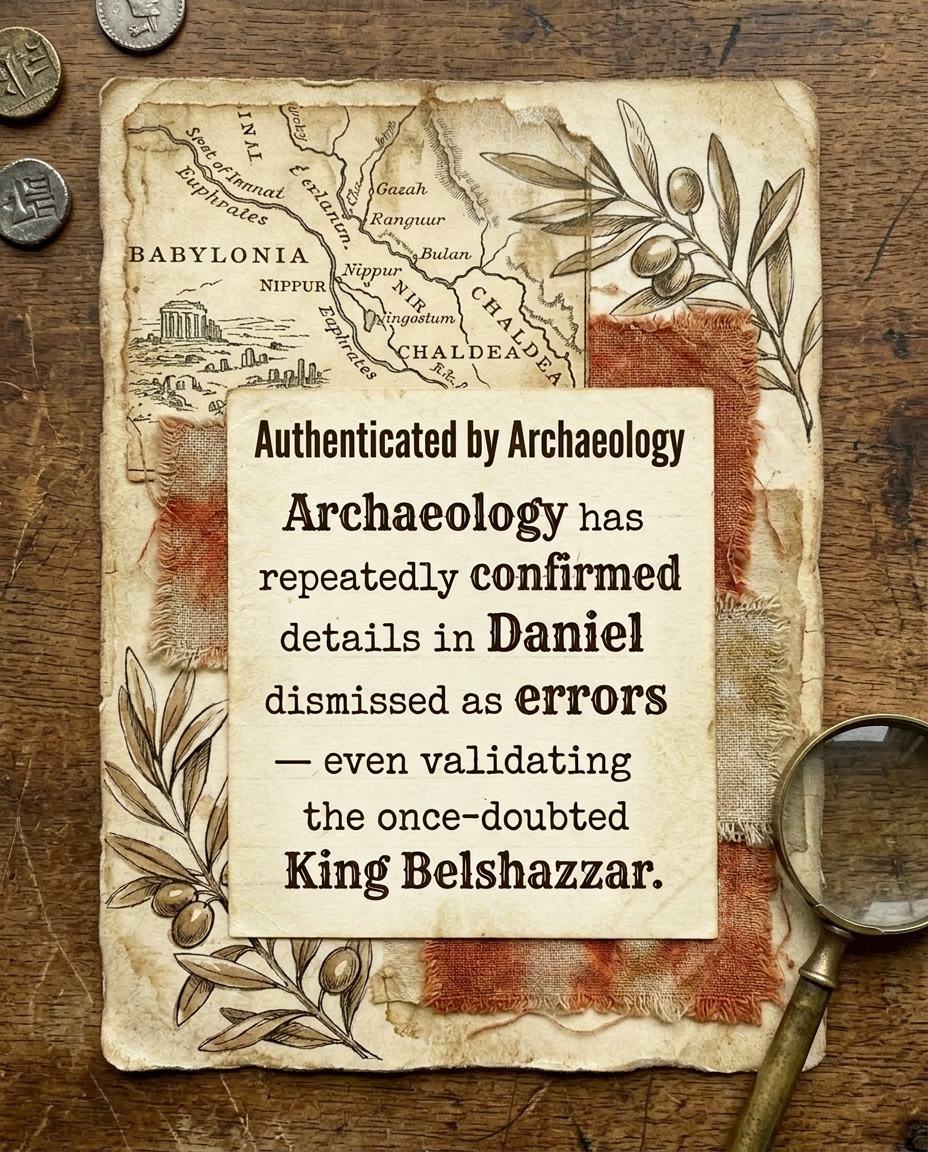 Daniel has faced more scrutiny from critics than almost any other Old Testament book — and it has held up remarkably well. Archaeological finds over the past two centuries have repeatedly confirmed details once dismissed as historical errors, down to the layout of Nebuchadnezzar's palace and the puzzling reference to a co-regent named Belshazzar, a name secular historians once claimed didn't belong in the record at all.
Later discoveries showed that Belshazzar really did function as ruler while his father was away — a level of specific, verifiable detail many scholars now believe could only come from an eyewitness.
It Was Already "Old" Before the New Testament Began
Long before the Gospels were written, the entire Hebrew Old Testament — including Daniel — had been translated into Greek in a project that took decades and involved dozens of scholars working roughly three centuries before the New Testament era.
That timeline matters: it means Daniel can't credibly be argued into a later century, because it was already circulating, translated, and treated as authoritative Scripture well before the events some critics claim inspired it.
Ancient Readers Already Regarded It as Sacred
Centuries before the New Testament, Jewish tradition already treated Daniel as trustworthy Scripture — not a later invention. Historical accounts even describe a moment when a foreign conqueror was shown prophetic references to himself within the book and, struck by what he saw, chose to spare the city rather than destroy it.
Daniel Is in Rare Company
Scripture describes very few people with absolutely nothing negative recorded about their character. Daniel is one of them — and interestingly, so is Joseph. Both men share more than moral consistency; both also rose to the highest levels of government service in foreign empires. It's a compelling detail for anyone in leadership: faithfulness and high responsibility aren't opposites.
 Jesus Himself Pointed to Daniel
Daniel isn't simply admired by later readers — Jesus directly references him multiple times, including calling him "the prophet," even though Daniel technically served in a governmental role rather than the traditional prophetic office. That direct endorsement carries enormous weight for anyone weighing the book's authority.
The Detail Critics Used Against It Actually Supports It
Skeptics have pointed to foreign loanwords in Daniel — a handful of Persian terms and a few Greek ones — as evidence of a late, inauthentic origin. But consider the context: Daniel served as a high-ranking official across two successive empires. A multilingual vocabulary isn't a red flag for a man in that position — it's exactly what you'd expect.
It Was Written About a Homeschooled Teenager Who Never Wavered
Before Daniel ever becomes a statesman, he's a young teenage captive — likely in his early teens — taken from a comfortable home into a completely foreign culture. What stands out in the opening narrative is that his convictions didn't waver under pressure, isolation, or temptation. It's a portrait of character formed long before the crisis ever arrived — shaped, evidently, well before he ever left home.
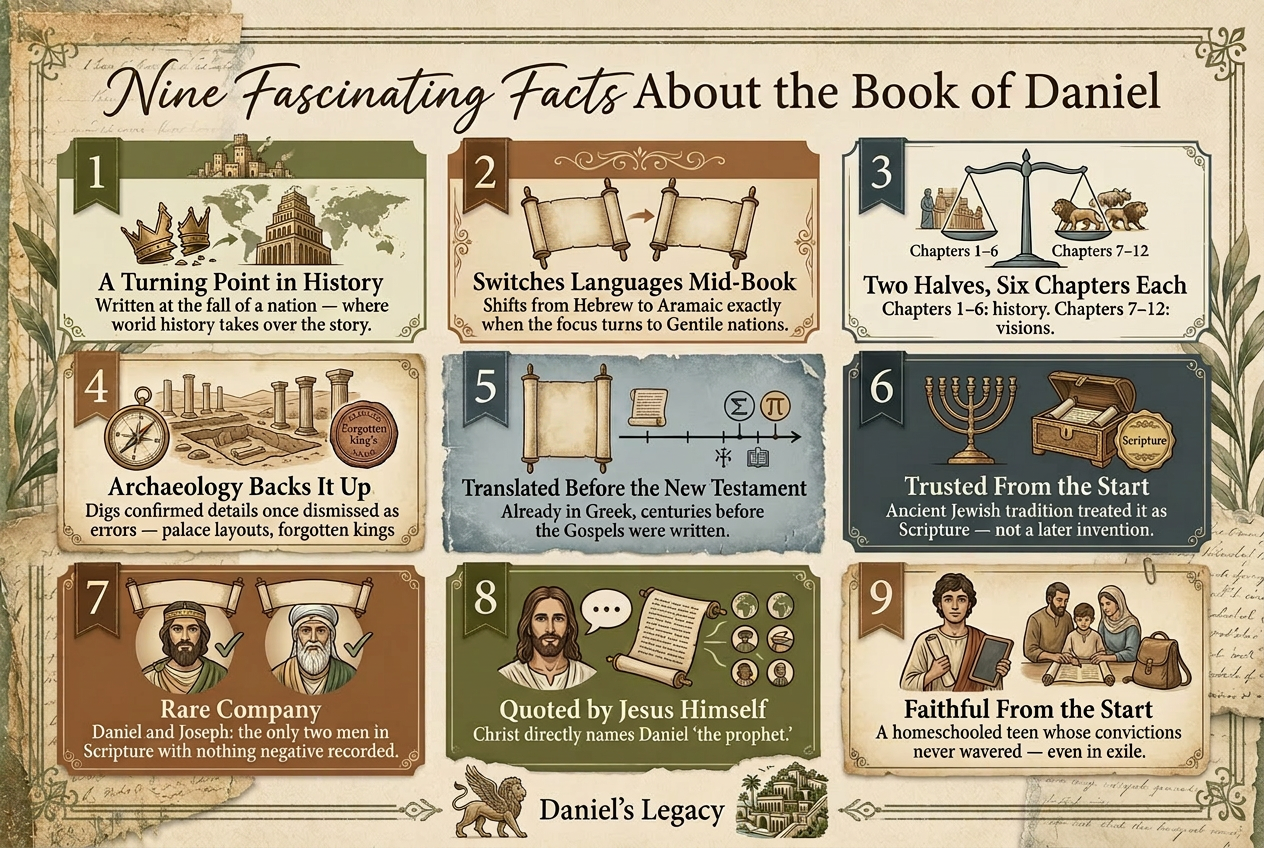
Daniel's story hasn't survived scrutiny by accident. Between its structure, its authentication, its endorsements, and its themes, this is a book built to be examined — and it holds up every time. That foundation is worth carrying with you before you ever turn the page to chapter one.